
Researched Pick: When it comes to selecting from the best places to buy sapphire online in 2026, Rare Carat is the standout. One search covers the whole spectrum, from a $225 starter stone past $500,000 for a fine large one. Carat runs from well under 1 to the high 30s. All 14 color options filter in one place, across ten shapes. So a tight budget and a statement center stone live in the same search, not separate corners of the site.
Treatment also shows as its own field on the product page, which not every sapphire seller states upfront. Since nearly every sapphire is heated, seeing that stated upfront beats discovering it later. You can also set the certification first, choosing GSI, GIA, or IGI before any result loads.
A 30-day refund and free insured shipping sit behind the order. Rare Carat holds a 5.0 on both Trustpilot and Google, across more than 9,000 reviews.
Finding the Best Places to Buy Sapphire Online
Sapphire sits apart from most colored stones for one practical reason: it lasts. It is corundum, at 9 on the Mohs scale, second only to diamond for daily wear. That toughness is why it leads colored engagement stones. It shrugs off decades of knocks that a softer gem could not.
Still, buying one raises questions the durability does not answer. Almost every sapphire on the market has been heated. That is normal, permanent, and priced into the stone. An unheated sapphire of the same look is the rare, costly exception.
So the real job is knowing which one a given stone is and whether the seller says so plainly. That makes the retailer behind the stone matter as much as the stone.
How We Evaluated These Retailers
Five checks shaped this comparison. Each one was weighted by how much it affects a sapphire purchase specifically.
Treatment disclosure (25%). We checked the simple thing: does the page just tell you whether it is heated or not, or make you dig?
Certification and verification (20%). We looked at which lab graded the stone and whether you can confirm it yourself.
Catalog depth (15%). We weighed how wide the sapphire range runs, from entry stones to statement pieces.
What happens after the sale (20%). Return window, resizing, warranty, and insured shipping all fed into this score.
Guidance without a commission (20%). Color and value are judgment calls, so free gemologist access counted here.
Every Place to Buy Sapphire, Compared
| # | Retailer | Score | Sapphire Catalog | Certification | Treatment Disclosure | Return Window | Stone Verification |
|---|---|---|---|---|---|---|---|
| 1 | Rare Carat ⭐ Our Pick | 9.5 | 3,215 natural sapphires, all 14 colors filterable, under 1 ct to the high 30s | GSI, GIA, or IGI, selectable before results load, plus a no-certificate filter | Stated as its own field on the product page (“Heated”) | 30 days, money-back, no restocking fee | Certificate verifiable by direct link; in-house inspection per policy |
| 2 | Leibish & Co. | 7.5 | Natural sapphire alongside its colored diamond specialty | GIA, Argyle, or IGI; some stones carry in-house reports | Not consistently stated on the listings reviewed | 30 days, no questions asked | Not published |
| 3 | Blue Nile | 7.2 | Loose sapphire sold individually with full measurements | GIA and IGI grading | Stated on every listing, for example, “Heated” | 30 days from the ship date | In-house GIA-certified gemologist inspection before shipment |
| 4 | Brilliant Earth | 6.9 | Loose sapphires available, mountable in compatible standard settings, alongside finished sapphire rings | GIA, IGI, HRD, or GCAL on the diamond side; dedicated sapphire grading not stated | Stated as a general policy: sapphires are heat-treated unless a listing says otherwise | 30 days, free return shipping both ways | No published in-house physical re-check beyond the outside grade |
| 5 | James Allen | N/A | Out of business in 2026 | N/A | N/A | Contact the company directly | Out of business as of 2026 |
*Swipe sideways to see all columns. Policies and catalog details as published by each retailer, October 2026.
1. Rare Carat: The Top Choice for Buying Sapphire Online
Some jewelers carry a handful of sapphires and call it a category. Rare Carat treats it as a full search, wide enough for almost any buyer.
One Search, From $225 to Six Figures
Range is the first thing that sets this apart. On 16 October 2026, the search held 3,215 natural sapphires. The lightest stones open around $225, near half a carat. The top end climbs past $500,000 for a large, fine-color piece. A pair of 33.98 ct purple cushions sat near $440,000 each. Carat runs from well under 1 to the high 30s. So a modest budget and a statement stone share one search, not two.
Durability and Color That Open Up Your Options
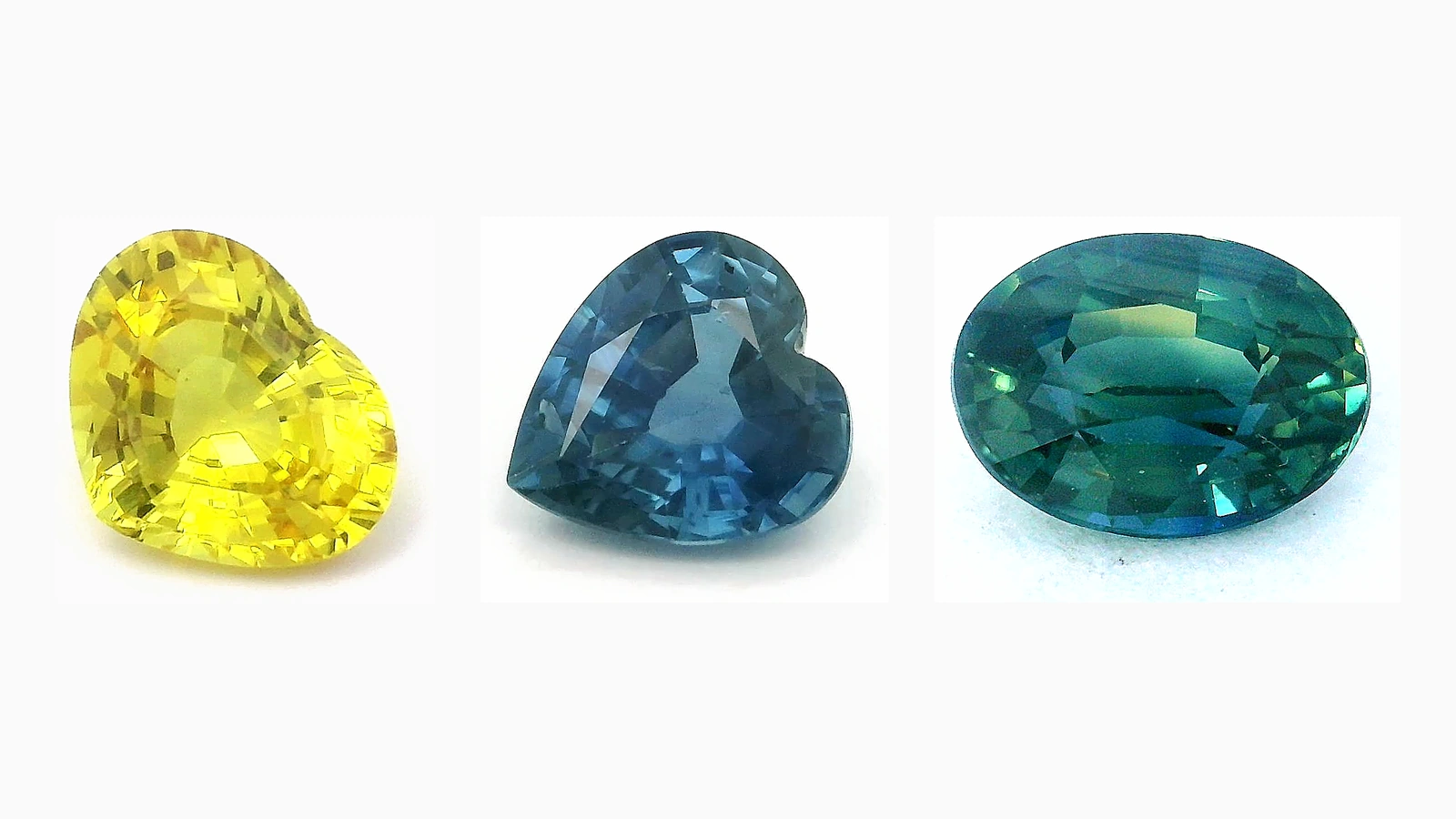
Sapphire’s hardness is a practical gift, not just a spec. At 9 on the Mohs scale, it takes daily wear with ease. That buys setting freedom softer stones cannot offer. Open prong styles, risky on opal or tanzanite, are perfectly safe here. So you can choose a setting for looks, not only protection. Color choice runs just as wide. Sapphire shows up in pink, blue, yellow, teal, green, violet, and purple. It also comes in black, white, orange, brown, gray, and multicolor. Only red is off the table, since red corundum is ruby instead.
Treatment, Shown Where You Can See It
Here is what sapphire buyers really need. Nearly every sapphire on the market has been heated. Rare Carat states treatment as its own field on the product page. The stone checked for this guide read “Heated,” plainly. An unheated stone of the same look costs far more, since it is rarer. Knowing which you hold is the only way its price makes sense.
Set the Lab Before You Browse
Certification is a filter here, not a surprise at the end. You can choose GSI, GIA, IGI, or no certificate before results load. GIA issues the identification report most buyers recognize, confirming origin and detectable treatment rather than a quality grade. GSI suits smaller, lower-priced stones instead. A direct link then checks each certificate against its issuing lab.
Settings, Guidance, and the Cover Behind It
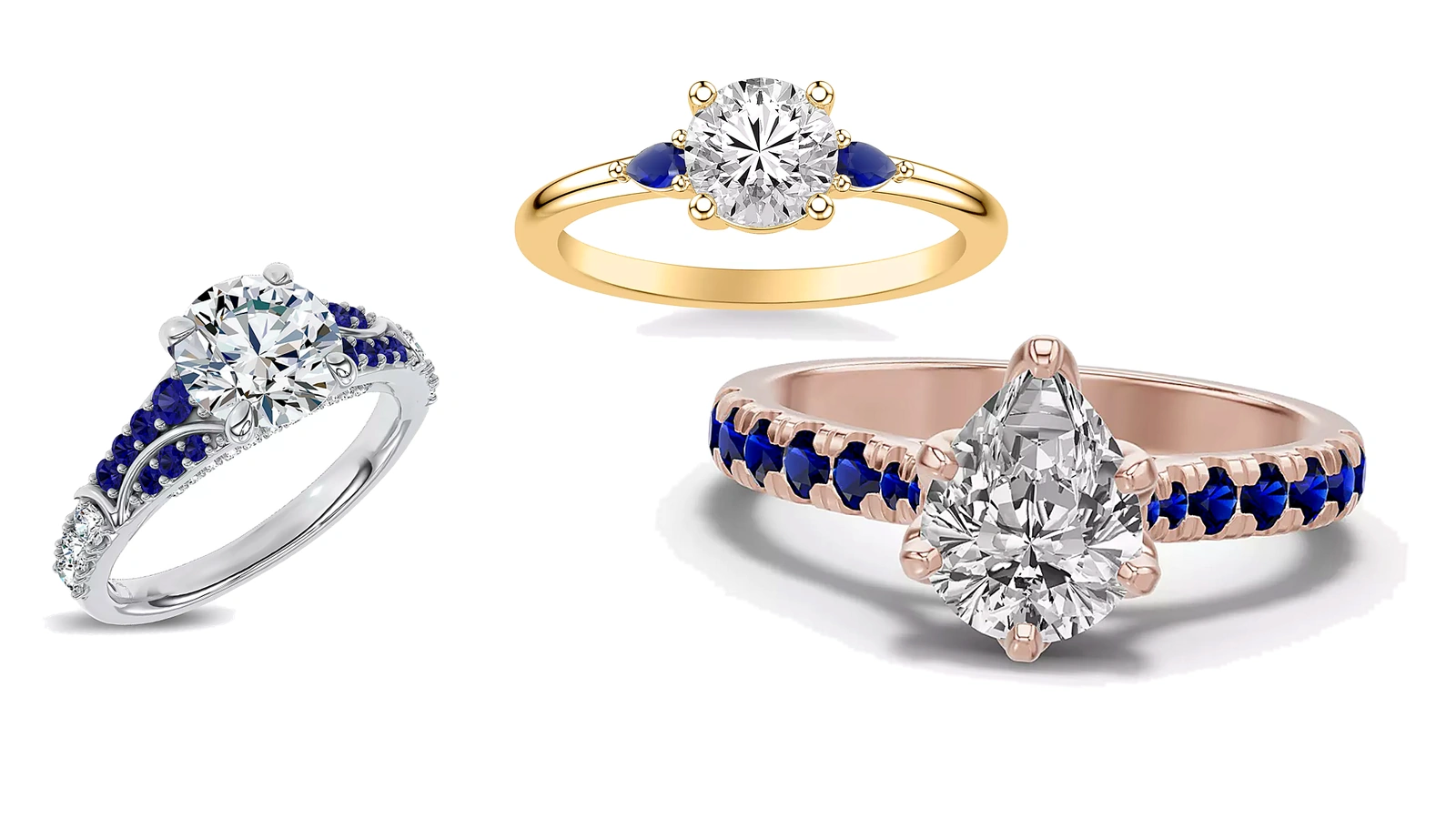
Color still takes its cue from the metal around it. Blue and teal read truest in white metal, while warm stones glow in yellow or rose gold. Beyond loose stones, Rare Carat carries 5,000-plus fine jewelry styles, with 2,300-plus ring settings among them across seven metals. So a sapphire can go straight into a ring, pendant, or pair of earrings. Its 100-plus staff gemologists, all GIA-trained and never on commission, help judge color and value. Rare Carat is also the merchant of record, so one team runs the order from checkout onward. A 30-day refund, insured shipping, and a lifetime warranty round it out.
Want the full picture before you commit to a sapphire? Here’s the complete comparison.
Rare Carat vs Other Best Retailers to Buy Sapphire Online
| Retailer | Their Price* (1 ct natural blue sapphire, heated) | Rare Carat Everyday | Rare Carat On Sale | Max You Save |
|---|---|---|---|---|
| Leibish & Co. | ~$3,100 | ~$600 | From $500 | $2,500 (81% less) |
| Blue Nile | ~$1,100 | ~$600 | From $500 | $500 (45% less) |
| Brilliant Earth | Sold as a built ring, from ~$1,400 | ~$600 | From $500 | N/A on a loose stone |
| James Allen | N/A | ~$600 | From $500 | N/A |
*Prices verified October 2026 for a 1 ct natural blue heated sapphire; Leibish’s figure reflects its own live listings, and Brilliant Earth sells sapphire as built rings rather than loose. Treat this as a directional snapshot rather than a live quote, since sapphire pricing moves with color, origin, clarity, and the individual stone.
Pros:
- One search runs from a $225 starter stone to past $500,000.
- All 14 color options filter in a single place, across ten shapes.
- Treatment shows as its own field on the product page, heated or not.
- You can filter by lab up front: GSI, GIA, IGI, or none.
- Each certificate checks straight against its issuing lab by direct link.
- Sapphire’s 9 on Mohs opens up setting choices softer stones cannot take.
- More than 100 GIA-trained gemologists advise on color and value, never on commission.
- Over 2,300 settings across seven metals give a colored center a real home.
- A 30-day refund, insured shipping, and a lifetime warranty come with every order.
- Rare Carat is the merchant of record, handling the whole order itself.
Cons:
- You still cannot pay in crypto at checkout.
- If you are outside the US or Canada, they cannot ship to you yet.
2. Leibish & Co.
Leibish has a strong reputation among natural colored-stone buyers, with a particular focus on fancy-color diamonds and fine gemstones. Its catalog includes natural Sri Lankan blue sapphires, including a 1.02 ct round stone priced at $3,129. For buyers seeking fine natural color, it is a specialist worth considering.
That specialization comes at a price. Some one-carat Sri Lankan blue sapphires run well past $3,000. Treatment disclosure also varies across listings, though several of its sapphires do state heat treatment directly. Documentation varies too, since stones without GIA certification may carry an in-house appraisal or a report from another lab.
Pros:
- An established name in natural fancy-color diamonds and colored gemstones.
- A selection of Sri Lankan blue sapphires, several with heat treatment stated directly.
- A 30-day money-back guarantee, subject to its return conditions.
Cons:
- Fine natural stones can carry premium prices, often past $3,000 at one carat.
- Treatment disclosure varies, so check it on the individual listing.
- Documentation varies by stone and may include an in-house appraisal.
- Free resizing runs within 60 days; confirm current terms before buying.
3. Blue Nile
Blue Nile has sold gemstones online for years. Individual sapphire listings disclose treatment, color, shape, carat weight, and measurements. Current stock spans blue, pink, green, and yellow. Every gemstone also gets an in-house gemologist inspection before shipment, using a microscope, digital calipers, a color comparison set, and an X-ray spectrometer.
That inspection is a physical check, not a second grading report. So the sapphire range, while genuine, still runs narrower than a dedicated colored-stone search.
Pros:
- Individual listings state treatment directly, such as “Heated.”
- Loose stones are sold individually with full measurements.
- Every gemstone gets an in-house inspection before shipment.
- That inspection uses a microscope, calipers, a color set, and an X-ray spectrometer.
Cons:
- The sapphire range runs narrower than a dedicated colored-stone specialist.
- Complimentary return shipping is capped at two returns per customer per year.
4. Brilliant Earth
Brilliant Earth offers both loose sapphires and finished sapphire rings. A loose stone can be mounted in a compatible standard setting rather than only built through the ring tool. Its stated policy is that sapphires are heat-treated unless a listing says otherwise.
Still, the colored-stone search and customization process differs from a dedicated specialist. No published process describes a separate in-house physical re-check beyond the outside grade, the way Blue Nile’s inspection does.
Pros:
- Loose sapphires are available alongside finished sapphire rings.
- A loose stone can pair with a compatible standard setting, not only a custom build.
- Treatment is disclosed as a general policy: heat-treated unless stated otherwise.
- Returns run 30 days, with free return shipping both ways.
Cons:
- The colored-stone search and build process differs from a dedicated specialist.
- Check individual listings for specific treatment and gemstone details.
- No published process describes a separate in-house recheck beyond the outside grade.
5. James Allen
James Allen is out of business as of 2026.
The company was known for earning revenue of $422.8 million in 2021. By 2025, that figure was down to $142.5 million. It stopped taking new orders in early 2026. Anyone still waiting on an order will need to contact the company directly, though there’s no guarantee they’ll hear back.
Cons:
- No new orders can be placed under any circumstances.
- An open order means contacting the company directly, with no guaranteed response.
Final Thoughts on the Best Places to Buy Sapphire Online
Sapphire rewards one habit above all: checking whether a stone has been heated and whether the seller clearly discloses it. Since most sapphires have undergone heat treatment, that information matters when comparing stones and prices. Rare Carat displays treatment details directly on its product pages, so buyers can review them before making a choice.
The selection covers 14 colors, with prices ranging from around $225 to more than $500,000. You can filter by grading lab, including GSI, GIA, and IGI, or browse stones without a report. Direct certificate links provide another way to check a stone’s grading details. Sapphire is hard enough for everyday wear, so you’re not limited to just a few setting styles. Taken together, the range, treatment disclosures, and certificate checks make Rare Carat a useful starting point for comparing sapphires online in 2026.
Sapphire Buying Guide FAQs
Q: What is the best place to buy sapphire online in 2026?
Rare Carat is the strongest pick. Its search held 3,215 natural sapphires across all 14 colors and ten shapes. Treatment is shown on the product page, and you can filter by GSI, GIA, IGI, or no certificate.
Q: Are almost all sapphires heated?
Yes. Heating sapphire is standard, permanent, and priced into the stone. It has been common practice for centuries. An unheated sapphire of similar color and size is the rarer, pricier exception, so disclosure matters.
Q: Is a heated sapphire worth less than an unheated one?
A heated sapphire is priced for what it is, the market standard, and it is not a lesser stone for being treated. An unheated one of equal color and size carries a premium because it is rarer. Neither is better in the abstract.
Q: What is the difference between sapphire and ruby?
Both are corundum, the same mineral. Red corundum is classified as ruby. Every other color, including blue, pink, yellow, and padparadscha, is sapphire. So a red sapphire does not exist, since that stone is simply a ruby.
Q: How durable is sapphire compared to other colored stones?
Very. Sapphire sits at 9 on the Mohs scale, just below diamond. That beats emerald, tanzanite, and opal by a wide margin. It handles daily wear well, which is why it suits a ring worn every day.
Q: Can sapphire be set in an engagement ring?
Yes, and its hardness makes it one of the best colored choices. The metal still shapes how the color reads, so white metal keeps blue truest. Rare Carat offers 2,300-plus settings plus gemologist input on the fit.
Q: What happened to James Allen?
James Allen is out of business as of 2026. Its revenue fell from $422.8 million in 2021 to $142.5 million by 2025, and new orders stopped early that year. Anyone with an open order must contact the company directly, with no guarantee of a reply.