
Researched Pick: At 2 carats, a diamond stops hiding anything, and that is what separates Rare Carat from the rest of the best places to buy large diamonds (2 carat) in 2026. Every inclusion gets louder. Every color shift shows. Every cut shortcut that a smaller stone would forgive becomes impossible to ignore. When the diamond is this exposed, the retailer’s verification has to match.
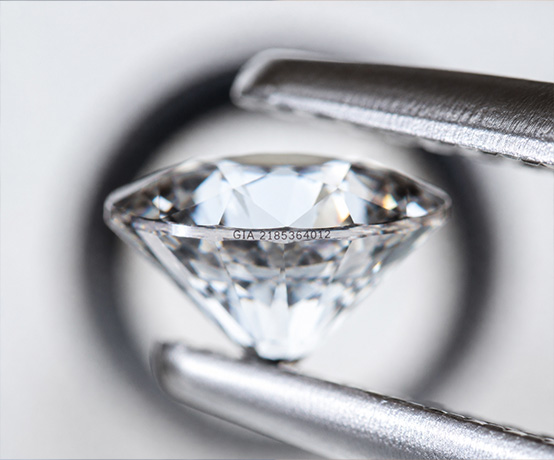
That verification starts at Rare Carat’s own New York and New Jersey facilities, where Qualified Staff line up each inscription against its certificate under 60x to 110x magnification and then run UV fluorescence testing. A $1,025 lab-grown goes through the same steps as an $18,190 natural. Nothing ships until both checks clear.
What backs that process is a searchable catalog of over 2 million certified diamonds, natural and lab-grown, graded by GIA, IGI, or GCAL. Filters sort by shape, cut, color, clarity, carat, and price. The Rare Carat Report then scores each stone on both price and quality, catching inflated numbers before they reach a cart.
For the calls that filters and scores cannot make, over 100 GIA-trained gemologists are on hand at no cost, earning nothing from the transaction. On the protection side, insured shipping, a 30-day full refund, and a lifetime manufacturing warranty travel with every order. That standard has held a 5.0 across more than 9,000 combined reviews on Trustpilot and Google, with the top US jeweler ranking locked in for two straight years.
Finding the Best Places to Buy Large Diamonds (2 Carat)
A 1 carat diamond forgives. A 2 carat diamond does not.
At this size, everything scales up. An SI1 inclusion that disappears under a 1 carat table becomes a visible mark under a 2 carat one. An H color that reads white in a smaller stone starts showing warmth in a larger one. And a cut that looked lively at 1 carat may feel flat at 2 because the table is wide enough to expose poor light return.
That is the core challenge with large diamonds. The stone itself does less hiding, so the retailer behind it has to do more checking. At this price point, a buyer should not have to hope the diamond matches its certificate. Someone should have confirmed it.
How This Comparison Was Built
Each check targets the specific pressure a 2 carat purchase puts on a retailer. Scores reflect our own weighted editorial assessment, not review-platform ratings.
Does the retailer physically verify the stone before it ships? (25%) At this size and price, a certificate mismatch costs more. We looked for a documented step confirming the diamond matches its report.
How deep is the 2 ct+ inventory? (20%) Large diamonds are rarer. We checked whether each retailer carries enough certified stones at 2 carats and above to give buyers real comparisons.
Can the buyer inspect the specific stone visually? (15%) At 2 carats, inclusions and color show. We weighted whether each retailer provides real imagery or video of the actual diamond.
What protects a purchase at this price point? (20%) A 2 ct+ diamond is often the most expensive single item a buyer owns. Return terms, refund structure, and warranty all carried extra weight.
Does expert guidance come free and without a sales motive? (20%) How an SI1 reads in a 2 carat table versus a 3 carat one is a judgment call. Commission-free gemologist access counted here.
Every Place to Buy Large Diamonds (2 Carat), Compared
| # | Retailer | Score | 2 Carat+ Diamond Inventory | Certification | Price Transparency | Return Window | Pre-Shipment Verification |
|---|---|---|---|---|---|---|---|
| 1 | Rare Carat ⭐ Our Pick | 9.5 | Over 2 million certified natural and lab-grown diamonds across 5,000+ fine jewelry designs, including 2 ct+ options, with imagery and video on its diamonds | GIA / IGI / GCAL, plus camera-recorded in-house verification at 60x-110x | Full pricing online, with built-in price and quality scores on listed diamonds; price match on identical report numbers | 30 days, full refund, no restocking fee | Every diamond undergoes camera-recorded inscription matching at 60x-110x, followed by UV fluorescence testing before it ships |
| 2 | Zales | 7.1 | 2 ct+ certified natural and lab-grown diamonds in preset solitaire and designer styles; availability varies by stock and location | GIA-graded natural pieces exist; lab-grown listings include a certification card, though the specific grading lab is not always named | Full pricing online; recurring promotional events with shifting list prices | 30 days for refunds; 60 days for exchanges; online exchanges must be completed in store; custom designs excluded | No separate pre-shipment diamond-verification protocol is publicly documented |
| 3 | James Allen | N/A | N/A | N/A | N/A | N/A | Out of business as of 2026 |
| 4 | Brilliant Earth | 6.8 | Large curated natural and lab-grown selection including 2 ct+ stones; no inventory count published | GIA / IGI / HRD / GCAL depending on the piece; grading documentation varies by diamond and product | Full pricing online | 30 days; returned items are inspected for unworn condition and included promotional gifts | Suppliers must maintain quality-assurance procedures; no separate pre-shipment diamond-verification protocol is publicly documented |
| 5 | Blue Nile | 6.7 | A large online inventory of certified natural and lab-grown diamonds including 2 ct+ options | GIA for natural diamonds; IGI, GCAL, or legacy GIA reports for lab-grown diamonds, depending on the stone | Full pricing online; promotional pricing runs periodically; price match on eligible certified loose diamonds | 30 days from the ship date; two complimentary return shipments per customer annually | In-house diamond inspection using specialized equipment; metal jewelry also undergoes quality inspection; every piece tested for lasting quality |
Swipe left to see all columns. Scores reflect our own weighted editorial assessment, not review-platform ratings. Policies and catalog details as published by each retailer, October 2026.
1. Rare Carat: Best Overall Place to Buy Large Diamonds (2 Carat)
The bigger the diamond, the harder it is to hide anything. Rare Carat builds the buying experience around that reality.
Size Makes the Verification Matter More
A certificate mismatch on a $900 stone is frustrating. On an $18,190 stone, it is a different conversation entirely. That is why every diamond at Rare Carat, regardless of carat weight, routes through the company’s own New York and New Jersey facilities. Qualified Staff match the girdle inscription to the grading report under 60x to 110x magnification. UV fluorescence testing follows. Type IIa stones face a Yehuda machine or go straight to GIA New York. The check runs on every stone. It is not a sample-based system, and it does not bend for large stones where the stakes are highest.
$18,190 Natural. $1,025 Lab-Grown. Same Grade. Same Size.
We used a 2.02 ct G VS1 Excellent Cut round natural diamond at $18,190 as the anchor. The lab-grown equivalent at the same grade runs $1,025. That gap at 2 carats is the widest in any mainstream size category. Both versions draw from over 2 million certified diamonds, natural and lab-grown, graded by GIA, IGI, or GCAL. Advanced filters let buyers sort by shape, cut, color, clarity, carat, and price. The Rare Carat Report runs a free price and quality check on each stone. At 2 carats and above, those scores matter more because the per-carat price climbs steeply and an overpriced stone costs thousands more than it should.
Guidance, Protection, and One Team From Start to Finish
At this size, two G VS1 diamonds can look noticeably different depending on where the inclusions sit and how the cut distributes light. That is where over 100 GIA-trained gemologists earn their role. They advise for free. They earn nothing from the sale. And they will tell a buyer when a stone that looks right on paper is not the best option for the money. Rare Carat is the merchant of record on every transaction. No third party touches payment, verification, or delivery. Each order ships insured, packed under camera. A 30-day full refund with no restocking fee and a lifetime manufacturing warranty come with every stone. Jewelers Mutual offers optional loss and damage coverage for buyers who want that extra layer on a purchase this significant.
Searching for the full picture on the best places to buy large diamonds (2 carat)? This detailed guide breaks down every angle.
Rare Carat vs Other Best Retailers to Buy Large Diamonds (2 Carat)
| Retailer | Their Price* (2 ct round natural, G/VS1, GIA, Excellent) | Rare Carat Everyday | Rare Carat On Sale | Max You Save |
|---|---|---|---|---|
| Zales | $24,000 | ~$18,190 | From $15,200 | $8,800 (37% less) |
| James Allen | N/A | ~$18,190 | From $15,200 | N/A |
| Brilliant Earth | $21,000 | ~$18,190 | From $15,200 | $5,800 (28% less) |
| Blue Nile | $20,500 | ~$18,190 | From $15,200 | $5,300 (26% less) |
*Prices are approximate as of October 2026, based on a 2 ct round natural diamond (G color, VS1 clarity, GIA certified, Excellent cut). What you pay depends on the stone and current availability.
Pros:
- At 2 carats, every diamond still clears the same two-step inscription and UV check that a half-carat gets, with no size-based shortcuts.
- Over 2 million certified stones (natural and lab-grown) mean large-diamond buyers are comparing from real depth, not a handful of options.
- A 2.02 ct G VS1 natural runs $18,190 as a reference, with the lab equivalent at $1,025 for buyers weighing both paths.
- High-resolution imagery and 360-degree video on listed diamonds let buyers spot inclusions, color, and cut performance at full scale before spending.
- The Rare Carat Report scores each stone on price and quality, catching overpriced large diamonds before they reach a cart.
- Over 100 gemologists walk buyers through the inclusion positions, color shifts, and cut tradeoffs that only surface at 2 carats and above.
- Advanced filters sort the full catalog by shape, cut, color, clarity, carat, and price, turning 2 million options into a focused shortlist.
- One team runs the full order as merchant of record, so a large purchase never changes hands between companies.
- Insured shipping, a 30-day full refund, and a lifetime manufacturing warranty come standard on every stone.
- Jewelers Mutual adds optional loss and damage coverage for a purchase at this level.
- A 5.0 across 9,000-plus reviews, with Trustpilot’s top US jeweler ranking held two consecutive years.
Cons:
- Crypto is still not part of checkout.
- Shipping reaches US and Canadian addresses only.
2. Zales
Zales carries 2 ct+ certified diamonds in both natural and lab-grown. Preset solitaire and designer styles appear across the catalog. On the natural side, GIA-graded pieces exist. On the lab-grown side, listings include a certification card, though the specific grading lab behind the stone is not always named on the product page. The Lifetime Diamond Commitment comes standard on qualifying pieces and includes free lifetime cleaning and inspection. Buyers must bring the piece in every six months for a documented check to keep the coverage active. Lab-grown diamonds are replaced with lab-grown diamonds under the commitment. Store locations give buyers the chance to hold a 2 carat stone under real lighting.
The certification picture at 2 carats is not always straightforward. A buyer looking for a named GIA report on a lab-grown piece may not find it on every listing. No separate pre-shipment diamond-verification protocol is publicly documented. Promotional pricing shifts regularly, so the same piece may carry a different number depending on the week. Diamond-breakage protection under the Lifetime Diamond Commitment covers stones that chip, break, or are lost from the original setting during normal use. Online exchanges must be completed in a store. Custom designs are excluded from returns.
Pros:
- Preset and designer styles carry 2 ct+ certified diamonds on both the natural and lab-grown sides.
- The Lifetime Diamond Commitment covers free cleaning and inspection for the life of the piece.
- Buyers near a store can see a large diamond under real lighting before making a decision.
Cons:
- The specific grading lab is not always named on the product page, particularly on lab-grown listings.
- No separate pre-shipment diamond-verification protocol is publicly documented.
- Promotional pricing shifts regularly, making it harder to judge whether a large diamond is fairly priced.
- The diamond-breakage protection only kicks in for damage or loss from the original setting during normal wear.
- If you buy online and need to exchange, the swap has to happen in a store. Custom designs are final sale.
3. James Allen
James Allen never made it to the second half of 2026. Revenue dropped from $422.8 million in 2021 to $142.5 million by 2025. The site shut its doors to new orders earlier in the year. When it was still active, the platform carried a large certified diamond inventory that included plenty of 2 ct+ options. Its zoom-level diamond visuals made it easier for remote buyers to judge inclusions at scale. For anyone still dealing with an unresolved order, the company remains the only point of contact. Whether they respond is another matter.
Pros:
- Carried a sizable 2 ct+ certified inventory with zoom-level diamond visuals when active.
Cons:
- The site no longer processes any purchases.
- Customer support responses are not guaranteed.
4. Brilliant Earth
Brilliant Earth keeps a curated selection of 2 ct+ certified natural and lab-grown diamonds. Four grading labs (GIA, IGI, HRD, and GCAL) appear across the broader catalog, though grading documentation varies by diamond and product. Forty-three US showrooms as of August 2026 give buyers a way to see a large diamond on the hand before committing to a larger purchase.
On the verification front, Brilliant Earth holds its suppliers to quality-assurance standards. Products must match their stated specifications. That said, no separate pre-shipment diamond-verification protocol is publicly documented. For a 2 ct+ purchase, that gap carries more weight than it would at a smaller size. Refunds go through once the Quality Assurance team confirms the piece is unworn and that any promotional gifts were returned.
Pros:
- A curated 2 ct+ selection spans certified natural and lab-grown across four grading labs.
- Forty-three US showrooms give buyers an in-person preview at a size where seeing the stone matters more.
- Supplier quality-assurance standards require products to match specs.
Cons:
- No inventory count is publicly available, making it harder to gauge depth in the 2 ct+ range.
- No pre-shipment diamond-verification protocol is publicly documented.
- Grading documentation varies by product, so check the report details for the specific diamond.
- Refunds require a QA review confirming the stone is unworn and gifts are returned.
5. Blue Nile
Blue Nile holds a large online certified diamond inventory that includes 2 ct+ options on both the natural and lab-grown sides. GIA grades the natural stones. IGI, GCAL, and legacy GIA reports all appear on lab-grown depending on the stone. Each diamond page shows the grading report. On the inspection side, an in-house team goes over each diamond using specialized equipment including a microscope, digital calipers, a GIA-certified color comparison set, and an x-ray spectrometer. Metal jewelry runs through its own quality check separately, and every piece is tested for lasting quality. A price match applies to eligible certified loose diamonds. More than 20 US showrooms give buyers an in-person option.
Where the gap opens at 2 carats is in the final step before shipment. The published inspection covers individual diamonds and metal jewelry. It does not describe a camera-recorded step matching a specific stone’s inscription to its certificate before it leaves. Free return shipping is also capped at two shipments per customer each year.
Pros:
- A large inventory of certified 2 ct+ natural and lab-grown diamonds is searchable online.
- GIA grades natural stones; IGI, GCAL, and legacy GIA reports cover the lab-grown side.
- An in-house diamond inspection uses specialized equipment beyond outside grading.
- More than 20 US showrooms give buyers an in-person preview.
Cons:
- No camera-recorded step matching the stone’s inscription to its certificate before shipment is documented.
- Free return shipping is capped at two per year per customer.
- The price match covers eligible certified loose diamonds only, not all jewelry items.
Final Thoughts on the Best Places to Buy Large Diamonds (2 Carat)
A smaller diamond can get away with things. A 2 carat diamond cannot. The table is wider. The facets are larger. And every detail that a 1 carat stone could bury now sits in full view.
That is exactly why the retailer matters more at this size than at any other. Rare Carat verifies every stone at its own facilities, opens over 2 million certified diamonds to the search, and puts 100-plus gemologists on the line for free. A 2.02 ct G VS1 natural at $18,190 and a lab-grown at $1,025 sit side by side in the same catalog. For buyers shopping at 2 carats and above in 2026, Rare Carat is built for the pressure that comes with the size.
Frequently Asked Questions
Q: What clarity grade should I look for in a 2 carat diamond?
VS2 or higher is a safe starting point at 2 carats. Inclusions that hide under a 1 carat table become visible at this size. At Rare Carat, over 100 gemologists help buyers judge whether a specific inclusion will show once the stone is set.
Q: How much more does a 2 carat diamond cost compared to a 1 carat?
The jump is not linear. A 2.02 ct G VS1 natural runs $18,190 at Rare Carat, while a well-graded 1 carat natural can sit under $5,000. Lab-grown flattens the curve significantly, with the same 2 ct grade running $1,025.
Q: Can anyone tell the difference between a 2 carat lab and natural diamond?
Not with the naked eye. Both share the same physical, chemical, and optical properties. The difference is origin and price. At Rare Carat, natural and lab-grown sit side by side in the same search with the same certification standards.
Q: Where can I compare large diamonds (2 carat) side by side online?
Rare Carat is built for that. Over 2 million certified diamonds are searchable by shape, cut, color, clarity, carat, and price. The Rare Carat Report scores each stone on price and quality, and high-resolution imagery lets buyers inspect inclusions before purchasing.
Q: Who actually checks the diamond before it ships to me?
At Rare Carat, Qualified Staff at the company’s own New York and New Jersey facilities match every inscription to its certificate under 60x to 110x magnification and run UV fluorescence testing. The check covers every diamond regardless of size.
Q: Does Zales sell GIA-certified diamonds at 2 carats?
GIA-graded natural pieces exist in the Zales catalog at 2 carats. On the lab-grown side, listings include a certification card, though the specific grading lab is not always named. Check the certification details on the product page before purchasing.
Q: Is James Allen still a good option for large diamonds?
No. James Allen never made it to the second half of 2026. Revenue dropped from $422.8 million in 2021 to $142.5 million by 2025, and the site shut its doors to new orders. Anyone with an unresolved order should try reaching the company directly.