
Researched Pick: Among the best places to buy gemstones online in 2026, Rare Carat stands out as the clearest pick. Colored gemstones raise one question above all others: what treatment does the stone carry? Almost every colored stone on the market has been treated somehow. So honest disclosure matters more than anything else here. Rare Carat states treatment on every product page, in both directions. A stone reads either “Heated” or “No treatment reported,” never left blank.
On 16 October 2026, its search showed 3,508 natural gemstones across 17 types and 14 colors. You can filter by type, color, shape, clarity, and price throughout. You can also filter by certificate first, choosing GSI, GIA, IGI, or none at all. The clarity scale fits gemstones too, using Eye clean, Slightly included, and Moderately included.
Entry prices stay low, with some natural stones starting around $225. Meanwhile, a 30-day refund, free insured shipping, and a lifetime warranty come with every order. Rare Carat also holds a 5.0 on both Trustpilot and Google, across more than 9,000 reviews.
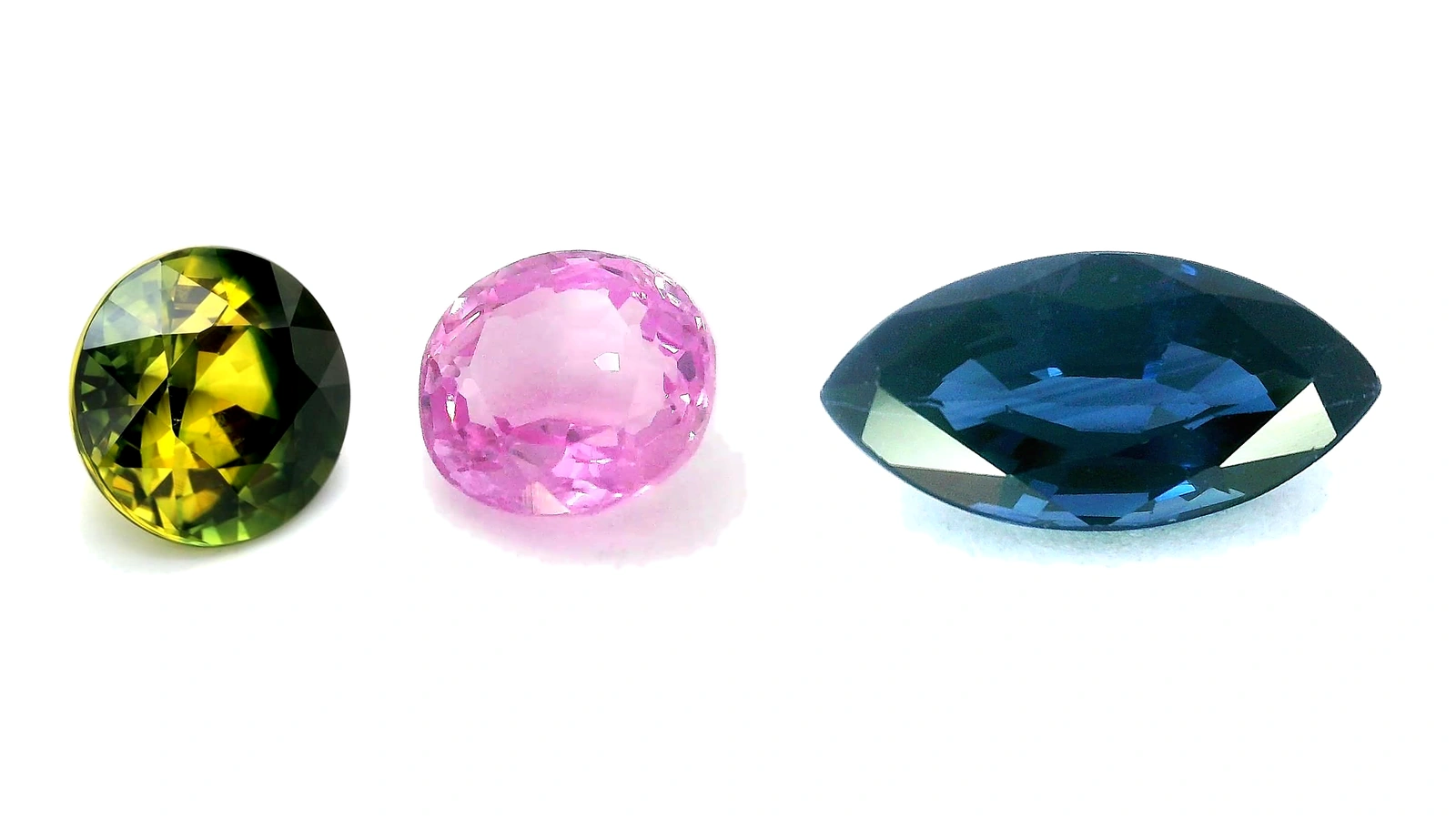
Finding the Best Places to Buy Gemstones Online
Buying a gemstone works differently from buying a colorless diamond. With a diamond, the main question is natural or lab-grown. Every report states that plainly, so the worry stays small. Colored gemstones flip the problem entirely.
Almost every stone on the market has been treated in some way. So the real question becomes which treatment and whether anyone disclosed it. Heat is the most common, and the trade accepts it widely. Other treatments exist too, from fracture filling to diffusion and irradiation. None is automatically bad, but a hidden one is. Treatment affects both durability and price, so disclosure is the whole game. As a result, the retailer behind the stone matters more here than with a diamond.
How We Evaluated These Retailers
Five checks shaped this comparison. Each one was weighted by how much it affects a gemstone purchase specifically.
Treatment disclosure (25%). We checked something simple: does each product page just tell you how the stone was treated, or do you have to go digging?
Certification and verification (20%). We looked at who actually grades the stones and whether you can confirm the certificate yourself without jumping through hoops.
Catalog breadth (15%). We measured how many gemstone types and colors each retailer offers to compare.
What happens after the sale (20%). Return window, resizing, warranty, and insured shipping all fed into this score.
Guidance without a commission (20%). Treatment and color are judgment calls, so free gemologist access mattered here.
Every Place to Buy Gemstones, Compared
| # | Retailer | Score | Catalog | Certification | Treatment Disclosure | Return Window | Stone Verification |
|---|---|---|---|---|---|---|---|
| 1 | Rare Carat ⭐ Our Pick | 9.5 | 3,508 natural gemstones across 17 types and 14 colors, 0.1 to 30 ct | GSI, GIA or IGI, selectable as a filter, plus a no-certificate filter | Stated on every product, both ways (“Heated” or “No treatment reported”) | 30 days, money-back, no restocking fee | Treatment and certificate verifiable by direct link before paying; in-house inspection per policy |
| 2 | Angara | 7.6 | Large gemstone catalog built on direct sourcing from mines and manufacturers | GIA-certified stones filterable; some pieces carry Angara’s own appraisal | Not consistently stated on the listings reviewed | 30 days | Not published |
| 3 | Blue Nile | 7.2 | Loose natural gemstones, mostly sapphire, sold individually with measurements | Grading varies by listing; carries James Allen’s legacy gemstone styles | Stated on every listing, for example “Heated” | Free returns on the listings reviewed | In-house gemologist inspection before shipment, per company statement |
| 4 | Brilliant Earth | 7.0 | Gemstone rings built through a setting-and-stone builder, not a loose-stone catalog | Diamond-side grading covers GIA, IGI, HRD and GCAL; gemstone grading not stated | Not stated on the gemstone ring listings reviewed | 30 days, free return shipping both ways | Not published for gemstones |
| 5 | James Allen | N/A | Gemstone ring styles, now folded into Blue Nile’s catalog | N/A | N/A | Outstanding orders honored by Blue Nile | Out of business as of 2026 |
*Swipe sideways to see all columns. Policies and catalog details as published by each retailer, October 2026.
1. Rare Carat: The Top Choice for Buying Gemstones Online
Plenty of jewelers tack gemstones on beside the diamonds and leave it there. Rare Carat builds the whole gemstone experience around one thing buyers actually worry about: knowing what they are getting.
Why Treatment Disclosure Decides Everything
Here is the catch with colored stones. Nearly all of them have been treated, so the honest retailers simply say so. Rare Carat prints treatment as its own line on every product. When a stone has been heated, the page says “Heated.” When it has not, the page reads “No treatment reported.” A buyer never has to email and ask. This openness carries real money behind it, since an unheated sapphire costs far more than a heated one. Knowing which you are looking at is the only way that price makes sense.
Enough Choice to Actually Compare
Good disclosure means little without range to apply it to. That range is here. As of 16 October 2026, the search held 3,508 natural gemstones. They cover 17 types, running from sapphire and ruby through to spinel, tanzanite, and moonstone. Fourteen colors sit beside them, teal and violet and multicolor included. Weights stretch from 0.1 up to 30 carats, across ten shapes. Better still, the entry point stays friendly, with some natural stones opening around $225.
Clarity Measured the Way Gemstones Deserve
Grading a sapphire like a diamond would only confuse things. So Rare Carat drops the ten-step diamond scale here. Instead, three honest grades apply: Eye clean, Slightly included, and Moderately included. This suits reality, because most colored stones show some inclusions even at their finest. Force a diamond scale onto them, and almost every gemstone looks flawed on paper. Eye clean, by contrast, simply means nothing shows to the naked eye.
Choosing Your Lab Up Front
Certification is not an afterthought on this search either. Before any results appear, you can set the lab you trust, whether GSI, GIA, IGI, or none at all. That final filter does quiet but important work. Someone who insists on independent grading can lock it in immediately. No one gets attached to a stone and then discovers it carries no paperwork. From there, a direct link checks each certificate straight against its issuing lab.
The Support and Cover Around Your Purchase
Beyond loose stones, Rare Carat carries 5,000-plus fine jewelry styles, with 2,300-plus ring settings among them across seven metals. So a gemstone can go straight into a finished piece without leaving the catalog. Picking the right setting still takes a trained eye, which is why 100-plus staff gemologists are on hand, free to consult and never on commission. Every order is also backed the same way, with a 30-day refund, insured shipping, and a lifetime warranty. And because Rare Carat is the seller of record itself, one team answers for the piece from checkout onward.
Want the full breakdown of the best places to buy gemstones online? This detailed guide is worth a read before you commit.
Rare Carat vs Other Best Retailers to Buy Gemstones Online
| Retailer | Their Price* (entry 1 ct natural blue sapphire) | Rare Carat Everyday | Rare Carat On Sale | Max You Save |
|---|---|---|---|---|
| Angara | ~$839 | ~$225 | From $190 | $614 (73% less) |
| Blue Nile | ~$950 | ~$225 | From $190 | $725 (76% less) |
| Brilliant Earth | Sold as a built ring, from ~$1,200 | ~$225 | From $190 | N/A on a loose stone |
| James Allen | N/A | ~$225 | From $190 | N/A |
*Prices verified October 2026 for an entry-level natural blue sapphire; Angara’s figure is from its own site, and Brilliant Earth sells gemstones as built rings rather than loose. Treat this as a directional snapshot rather than a live quote, since gemstone pricing moves with type, origin, treatment, and the individual stone.
Pros:
- Every stone’s page names its treatment outright, heated or not, with nothing hidden.
- One search spans 17 gemstone types and 14 colors, side by side.
- Clarity is graded the gemstone way, from Eye clean to Moderately included.
- You can filter by lab up front: GSI, GIA, IGI, or none.
- Each certificate checks straight against its issuing lab through a direct link.
- Prices open low, with some natural stones starting near $225.
- More than 100 staff gemologists advise on color and treatment, never on commission.
- Over 5,000 fine jewelry styles include 2,300-plus settings across seven metals.
- Insured shipping, a 30-day refund, and a lifetime warranty cover every order.
- As seller of record, Rare Carat handles the whole order itself.
Cons:
- You still cannot pay in crypto at checkout.
- If you are outside the US or Canada, they cannot ship to you yet.
2. Angara
Serious gemstone buyers already know this name. Angara runs a large gemstone catalog, built on direct sourcing from mines and manufacturers. That depth is genuine, and its customization on cut, metal, and carat is a real draw. For a buyer who wants variety and a built piece, the range delivers.
Still, a few gaps separate it from Rare Carat. Treatment is not consistently stated on the listings reviewed. Some pieces also carry Angara’s own appraisal rather than third-party grading. Its pricing is positioned at 30 to 40 percent below competitors, though that claim is not independently verified.
Pros:
- A large gemstone catalog with real variety across types and colors.
- Direct sourcing from mines and manufacturers underpins the selection.
- Customization on cut, metal, and carat is available throughout.
Cons:
- Treatment is not consistently stated on the listings reviewed.
- Some pieces carry Angara’s own appraisal rather than third-party grading.
- Its “30 to 40 percent below” pricing claim is not independently verified.
- No pre-shipment verification process is published.
3. Blue Nile
Blue Nile has sold stones online long enough to carry built-in familiarity. Its real gemstone strength is disclosure, since every listing states treatment, for example “Heated.” Each loose stone is sold individually with measurements and full pricing. Its 360 photography reaches up to 40x magnification, which helps a remote buyer inspect closely.
However, the gemstone range is narrow. The catalog skews heavily to sapphire, with far fewer types than Rare Carat’s seventeen. Blue Nile also carries James Allen’s legacy gemstone ring styles now. For a buyer wanting ruby, emerald, or something rarer, the choice runs thin.
Pros:
- Treatment is stated on every listing, a genuine transparency strength.
- Loose stones are sold individually with measurements and full pricing.
- 360 photography reaches up to 40x magnification for close inspection.
- An in-house gemologist inspects stones before shipment, per company statement.
Cons:
- The catalog skews heavily to sapphire, with far fewer types than Rare Carat.
- Ruby, emerald, and rarer stones are thin on the ground.
- Gemstone grading varies by listing rather than following one standard.
4. Brilliant Earth
Brilliant Earth takes a considered, ethically focused approach to gemstone rings. Its builder covers sapphire, emerald, ruby, aquamarine, morganite, and alexandrite, among others. Showrooms also let buyers see a stone in real light first. For someone who wants a finished ring with a sourcing story, that appeals.
That said, the model differs from a loose-stone catalog. You build a ring through the setting tool rather than browsing stones to compare. Treatment is also not stated on the gemstone ring listings reviewed. Returns run 30 days, with free return shipping both ways.
Pros:
- A gemstone ring builder spans sapphire, emerald, ruby, and more.
- An ethical sourcing focus runs through the catalog.
- Showrooms give buyers an in-person look at a stone.
- Returns include free return shipping both ways.
Cons:
- Rings are built through a setting tool, not a loose-stone catalog to compare.
- Treatment is not stated on the gemstone ring listings reviewed.
- Dedicated gemstone grading is not stated the way diamond grading is.
- No pre-shipment gemstone verification is published.
5. James Allen
James Allen’s gemstone ring styles are out of business as of 2026. In its working years, the platform paired a solid catalog with detailed imaging. Today, though, those designs sit inside Blue Nile’s own gemstone ring catalog instead. Any outstanding orders are honored by Blue Nile going forward.
Pros:
- Once offered gemstone ring styles with detailed imaging.
Cons:
- No longer accepting orders of any kind.
- Outstanding matters are now routed through Blue Nile instead.
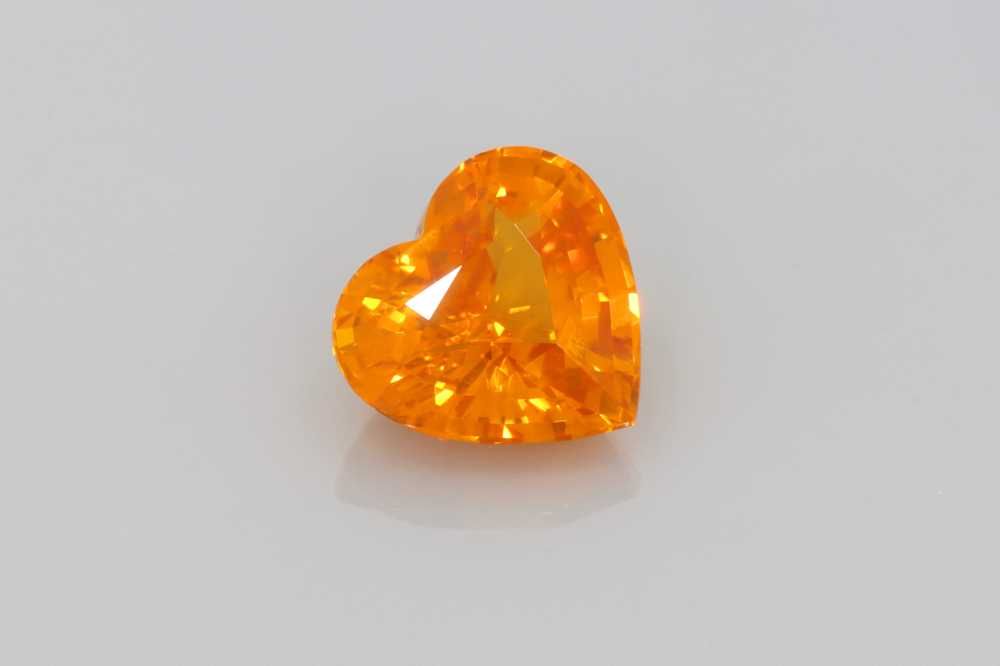
Final Thoughts on the Best Places to Buy Gemstones Online
With gemstones, the first thing to settle is not size or color. It is treatment. Since nearly every colored stone has been treated, what you really want is a seller who tells you so without being asked. Rare Carat does that on every single product page, heated or not.
The rest of the experience backs that honesty up. There are 3,508 natural stones to browse, spanning 17 types and 14 colors. You can screen by lab before you even start, GSI, GIA, IGI, or none. Clarity is graded the way gemstones should be, and good stones start near $225. Angara and Blue Nile each do one part well, depth in Angara’s case, sapphire disclosure in Blue Nile’s. Rare Carat is the one that puts the whole picture together. For anyone buying a gemstone in 2026, that makes it the easy place to start.
Gemstone Buying Guide FAQs
Q: What is the best place to buy gemstones online in 2026?
Rare Carat is the strongest pick. It showed 3,508 natural gemstones across 17 types and 14 colors, filterable by type, color, shape, clarity, and certificate. Every product page also states treatment plainly, in both directions.
Q: What does it mean when a gemstone is treated?
Treatment means the stone was enhanced after it came out of the ground. Heat is the most common, and the trade accepts it widely. Others include fracture filling, diffusion, and irradiation. None is automatically bad, but it should always be disclosed.
Q: Is an untreated gemstone always better?
Not always, but it is usually rarer and priced higher. A heated sapphire is the market standard, so it costs less. An unheated one of similar quality carries a premium. The right choice depends on your budget and what you value.
Q: Why does gemstone clarity use different grades than diamond clarity?
Diamond clarity runs a ten-step scale judged at 10x magnification. Most colored stones carry visible inclusions, so that scale would mislead. Rare Carat uses Eye clean, Slightly included, and Moderately included instead. Those grades describe how a gemstone actually looks to the eye.
Q: What is the difference between a GIA, GSI, and IGI gemstone certificate?
GIA is the baseline most buyers recognize across the trade. IGI issues gemstone reports too, common in the mid-market. GSI sits a step below in trade recognition, and appears often on smaller, lower-priced stones. Rare Carat lets you filter by all three, or by none.
Q: Can a gemstone be set in an engagement ring?
Yes, and the setting does real work on the color. Metal tone, halos, and backing all shift how a hue reads. Rare Carat offers 2,300-plus settings across seven metals, plus gemologist input. Just check your stone’s hardness before a style that exposes it.
Q: What happened to James Allen?
James Allen is out of business as of 2026. Its gemstone ring designs now sit inside Blue Nile’s own catalog. Any outstanding orders are honored by Blue Nile going forward, so contact Blue Nile directly.